
Importance
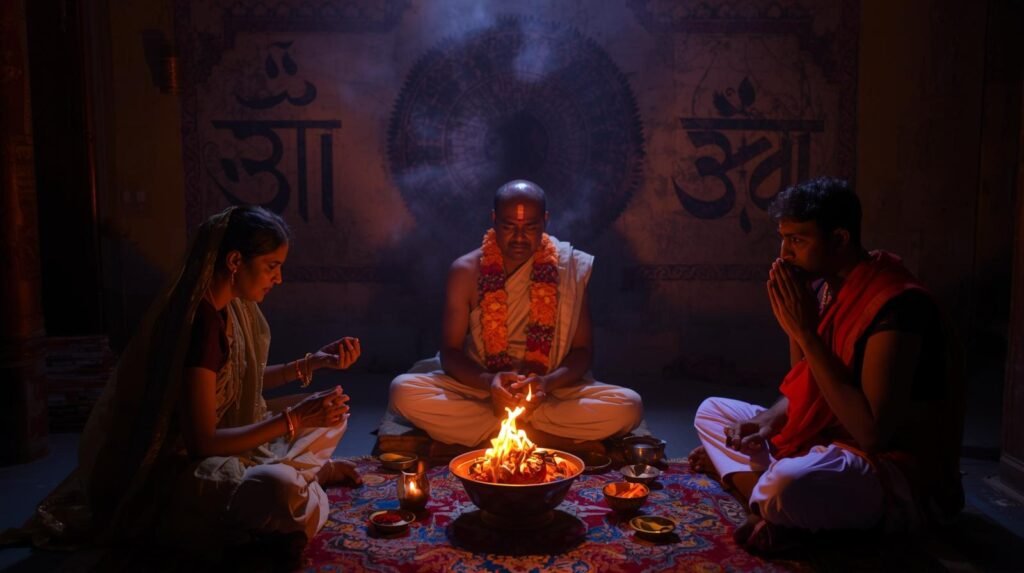
Janan Shraddha is a sacred Hindu ritual performed to pay homage to departed ancestors (Pitaras) and seek their blessings for the family's well-being. This ritual ensures the peace and liberation of ancestral souls and removes Pitrudosh (ancestral afflictions) from the family lineage. At Ramkund on the Godavari River in Panchavati, Nashik, Janan Shraddha is performed with exceptional power due to the sacred energy of the location and the expertise of our six-generation priest family. What is Janan Shraddha? Janan Shraddha is a ritual performed to honor the souls of ancestors who have passed away. It is believed that the ritual provides peace and nourishment to the departed souls and ensures their liberation (Moksha). The ritual also removes Pitrudosh — the afflictions caused by displeased ancestors — which can manifest as: Health issues: Unexplained illnesses in the family Financial problems: Persistent financial difficulties despite efforts Family disputes: Ongoing conflicts and misunderstandings Mental stress: Anxiety, depression, and lack of peace Obstacles in life: Delays in marriage, career, and other milestones When is Janan Shraddha Required? Occasion When to Perform Benefits Death Anniversary On the same Tithi (lunar day) as the death Provides peace to the departed soul Amavasya New Moon day General ancestral blessings Purnima Full Moon day General ancestral blessings Ekadashi 11th day after new/full moon Enhanced spiritual benefits Pitrupaksha 15 days before Mahalay Amavasya Most auspicious period for Shraddha Janan Shraddha Procedure Ganesh Puja: Prayers to Lord Ganesha to remove obstacles from the ceremony. Pitaras Invocation: Ancestors are invoked with Vedic mantras. Their names and gotra (family lineage) are recited. Tarpan (Water Offering): Sacred water mixed with black sesame, darbha grass, and flowers is offered to the ancestors while chanting mantras. This provides them with nourishment and peace. Pinda Daan: Rice balls (Pindas) mixed with ghee, honey, and sesame seeds are offered. These provide sustenance to the departed souls. Mantra Chanting: Vedic mantras are chanted to honor the ancestors and seek their blessings. Prasad Distribution: Sacred food (Prasad) is distributed to all attendees. Shanti Path: Final prayers for peace and blessings. Why Janan Shraddha at Ramkund, Nashik? Sacred Energy: Ramkund is one of the most sacred places in India for performing Shraddha rituals 150+ Years of Mastery: The Panchakshari family has mastered Shraddha rituals over six generations Proven Results: Families report peace and removal of obstacles after the ritual Complete Arrangements: We handle all materials and logistics Online Option: Participate via live stream from anywhere in the world Frequently Asked Questions How many ancestors should be honored in Janan Shraddha? Ideally, we honor three generations of ancestors — parents, grandparents, and great-grandparents. The pandit will recite their names during the ritual. When is the best time for Janan Shraddha? The best times are Amavasya (New Moon), Purnima (Full Moon), or the death anniversary of the ancestor. Pitrupaksha (the 15-day period before Mahalay Amavasya) is also highly auspicious. Can Janan Shraddha be performed online? Yes, we offer Online Janan Shraddha where you can participate via live stream. The pandit performs the rituals at Ramkund on your behalf. What if I don't know the exact dates of my ancestors' death? The pandit can perform a general Shraddha ritual for your ancestors without specific dates. The ritual will still provide peace and blessings to all departed souls in your family lineage.
Quick Links
Information
Donation
Event
Holis
Pooja
Volunteer
Others
Blogs
About
Contact
FAQ
MahaAarti