
Maha Kumbh 2027
Nashik Mahakumbh 2027 – Complete Guide
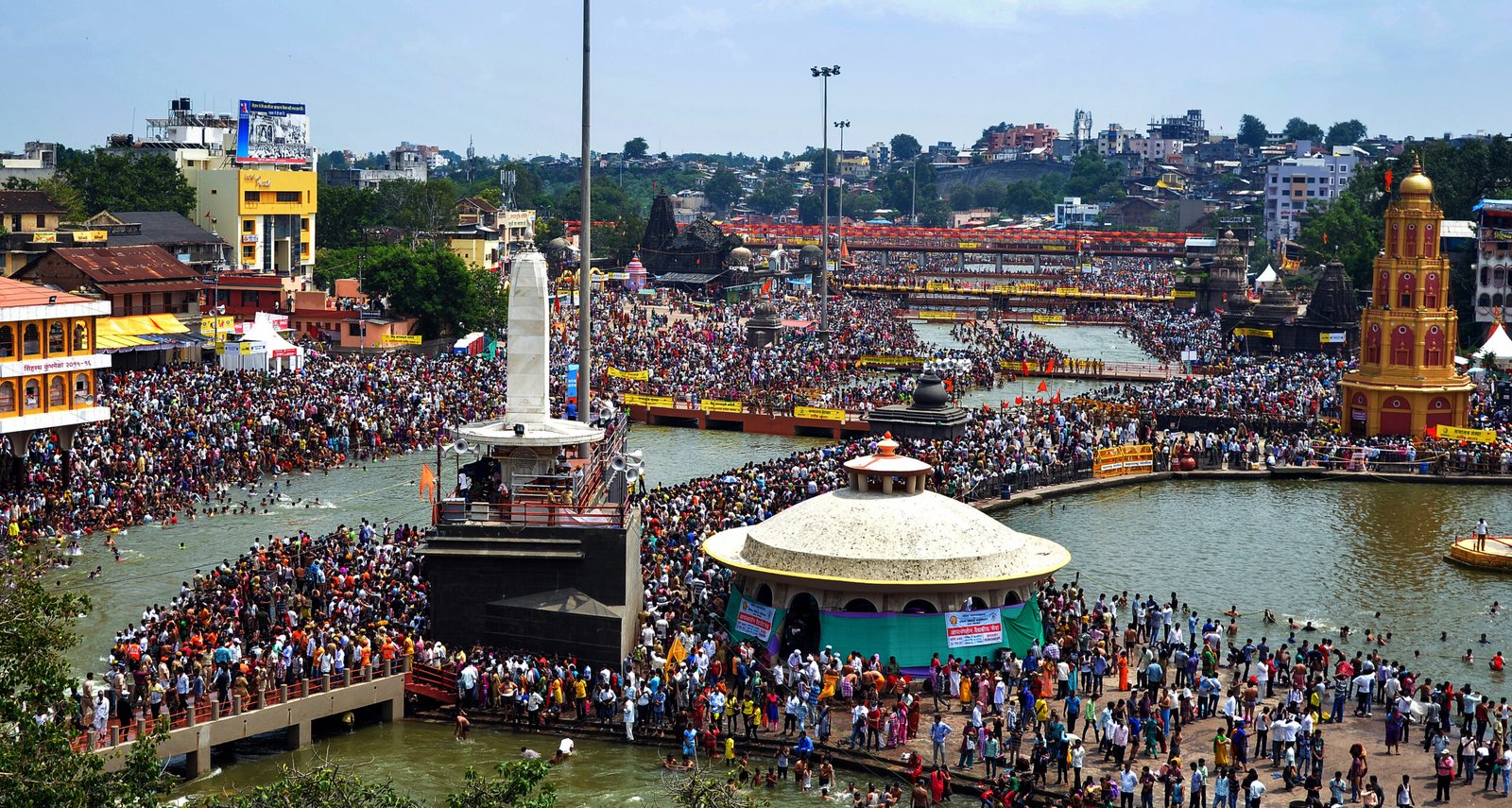
The Nashik–Trimbakeshwar Simhastha Kumbh Mela 2027 is one of India's most significant Hindu religious gatherings. Held approximately every 12 years, it brings millions of devotees, saints, sadhus, and pilgrims to the sacred banks of the Godavari River in Maharashtra.
The festival is celebrated at two important pilgrimage locations: Nashik (Panchavati–Ramkund) and Trimbakeshwar, near the origin of the Godavari River.
The Kumbh Mela is associated with the legendary Samudra Manthan (churning of the ocean) and the belief that drops of Amrit, the nectar of immortality, fell at four sacred locations: Prayagraj, Haridwar, Ujjain, and Nashik.
For devotees, the Nashik Kumbh Mela is an opportunity for spiritual purification, worship, charitable giving, and participation in ancient religious traditions.
1. The Spiritual Significance of Nashik Mahakumbh
The Kumbh Mela has its origins in ancient Hindu mythology and is closely associated with the legendary Samudra Manthan, or the Churning of the Ocean.
According to Hindu tradition, during the struggle between the Devas (gods) and Asuras (demons) for the sacred nectar of immortality, known as Amrit, drops of the divine nectar fell at four sacred locations: Prayagraj, Haridwar, Ujjain, and Nashik.
These four pilgrimage destinations became the sacred sites of the Kumbh Mela, where millions of devotees gather during astrologically auspicious periods.
The Nashik Kumbh Mela is also known as Simhastha Kumbh Mela, owing to its traditional association with the position of Jupiter in Simha Rashi (Leo).
Devotees believe that taking a holy dip in the sacred Godavari River during the auspicious Kumbh period helps purify the mind and soul, wash away sins, and guide individuals toward spiritual liberation, or Moksha.
2. Nashik Mahakumbh 2027 – Important Dates
The Nashik–Trimbakeshwar Simhastha Kumbh Mela begins with ceremonial religious activities in October 2026, while the principal Amrit Snan, traditionally known as Shahi Snan, ceremonies are scheduled for August and September 2027.
Important Dates:
31 October 2026: Dhwajarohan – Ceremonial Flag Hoisting
2 August 2027: First Amrit Snan
31 August 2027: Second Amrit Snan
11 September 2027: Third Amrit Snan – Nashik
12 September 2027: Third Amrit Snan – Trimbakeshwar
These sacred bathing occasions are among the most important highlights of the Kumbh Mela. Large numbers of devotees and Akhadas are expected to participate in religious processions and traditional bathing ceremonies.
Note: The dates listed above are based on the published preliminary programme and are subject to confirmation or revision by the competent authorities. Visitors should verify the latest official schedule before planning their pilgrimage.
3. Sacred Pilgrimage Destinations
Panchavati – The Land of Lord Rama
Panchavati is among the most historically and spiritually significant locations in Nashik.According to the Ramayana, Lord Shri Rama, Goddess Sita, and Lakshmana spent part of their exile in this sacred region.
The area is home to several important religious destinations, including Kalaram Temple, Sita Gufa, and the sacred ghats of the Godavari River.During the Kumbh Mela, Panchavati becomes a vibrant centre of devotion, pilgrimage, religious ceremonies, and spiritual activities.
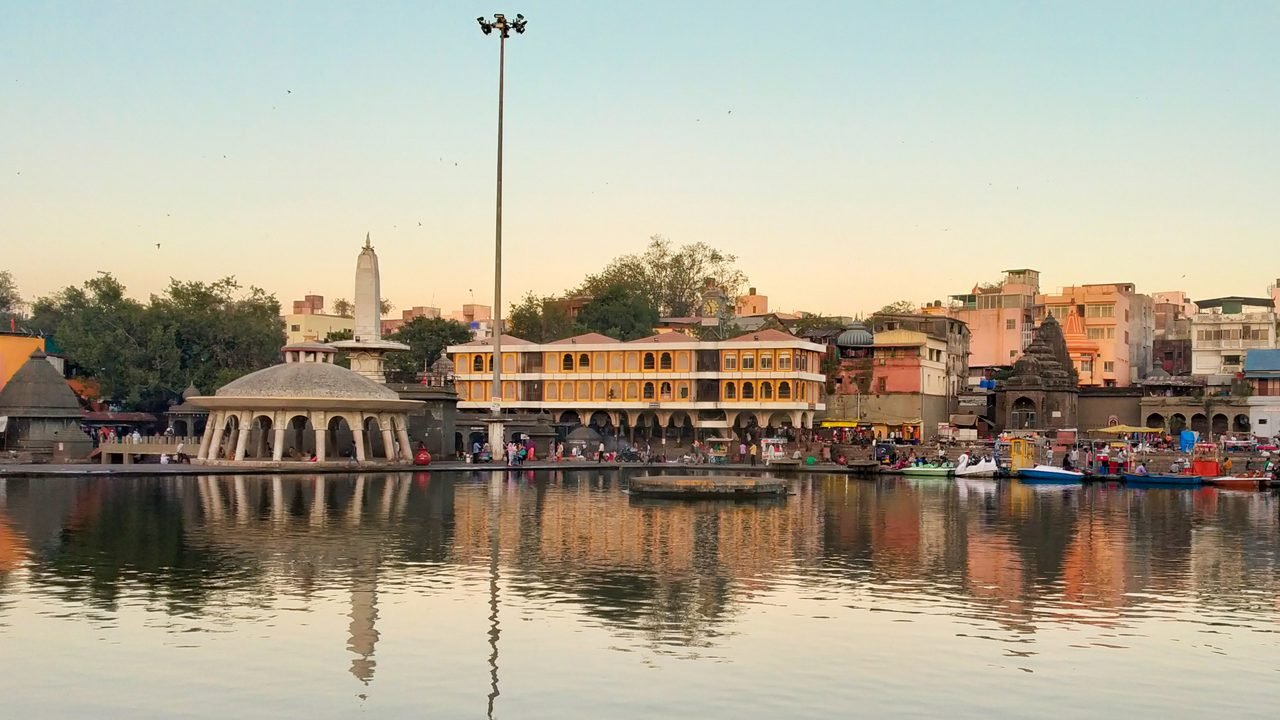
Ramkund – The Sacred Heart of Nashik
Located in Panchavati, Nashik, Ramkund is one of the most revered bathing ghats on the banks of the holy Godavari River.
According to Hindu tradition, Lord Shri Rama visited this sacred region during his fourteen-year exile. The association with Lord Rama makes Ramkund an important destination for pilgrims seeking spiritual blessings.
During the Kumbh Mela, Ramkund becomes a major centre for holy bathing ceremonies, devotional activities, religious gatherings, and traditional processions.Devotees also visit Ramkund to perform religious rites, offer prayers to their ancestors, and experience the sacred atmosphere of the Godavari River.
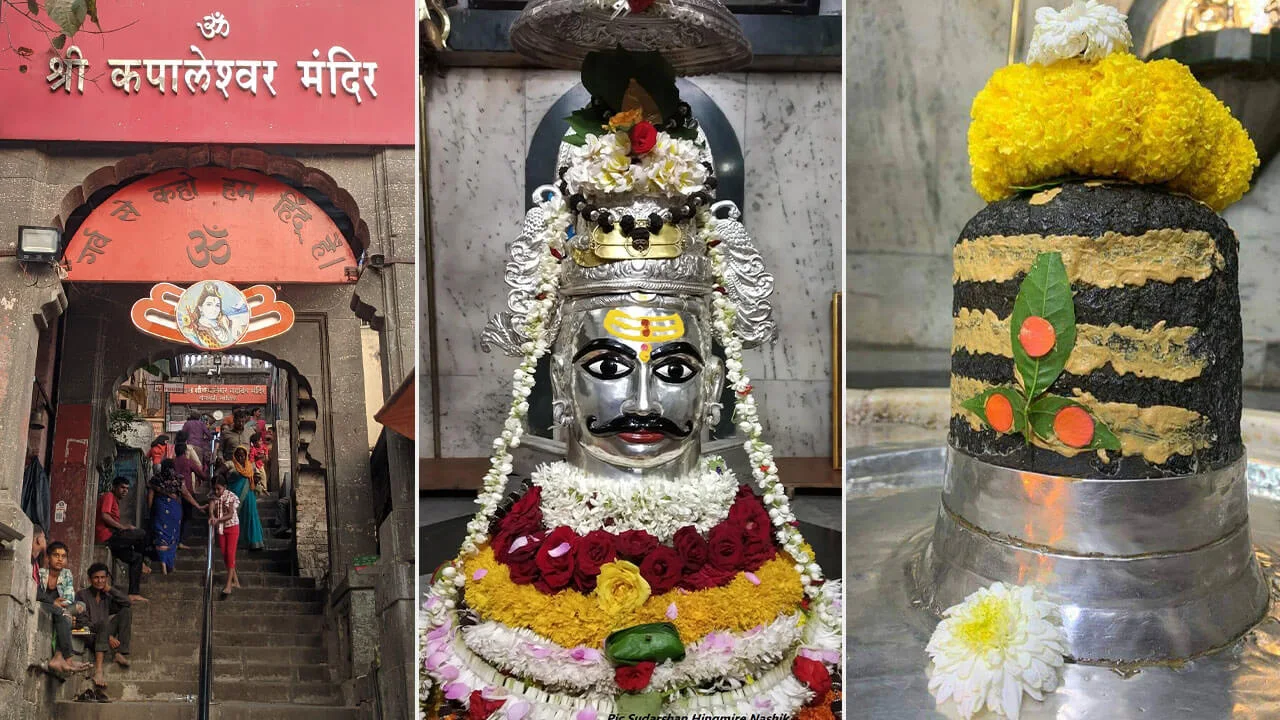
Trimbakeshwar Jyotirlinga – The Divine Abode of Lord Shiva
Situated near the Brahmagiri Hills, approximately 30 kilometres from Nashik city, Trimbakeshwar is home to one of the twelve sacred Jyotirlingas of Lord Shiva.
The ancient Trimbakeshwar Temple is a highly revered pilgrimage destination, attracting devotees throughout the year.During the Simhastha Kumbh Mela, Trimbakeshwar holds special religious significance, particularly for Shaiva Akhadas and followers of Lord Shiva.
Pilgrims visit the temple to offer prayers, seek divine blessings, and participate in traditional religious ceremonies.
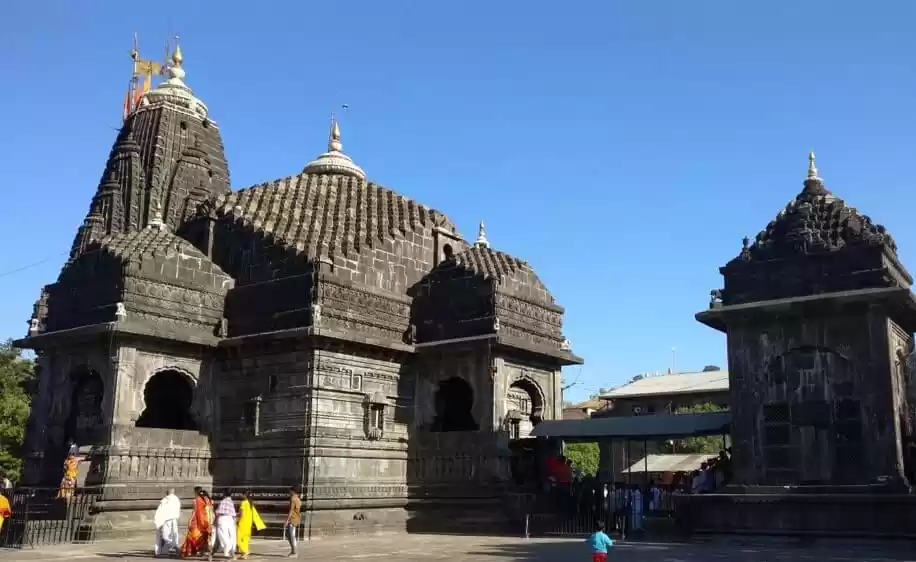
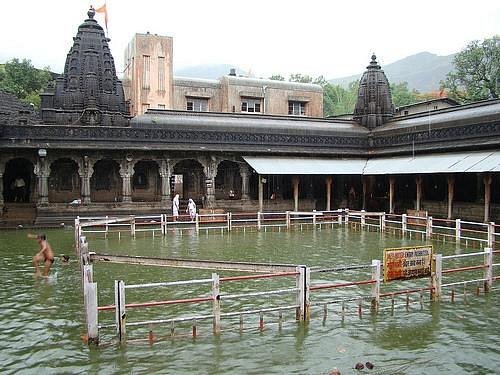
Kushavarta Kund – The Sacred Bathing Place
Kushavarta Kund, located in Trimbakeshwar, is a sacred water tank associated with the Godavari River.
According to Hindu tradition, the kund is closely connected with the sacred emergence and course of the Godavari.During the Kumbh Mela, Kushavarta Kund serves as a principal bathing location for Shaiva and Udasin Akhadas.
The site holds immense religious importance and is visited by devotees seeking spiritual purification and blessings.
4. Major Religious Activities During Nashik Mahakumbh 2027
Amrit Snan – The Sacred Royal Bath
Amrit Snan, traditionally known as Shahi Snan, is one of the most important religious ceremonies of the Kumbh Mela.
On specially designated auspicious dates, saints, sadhus, and members of various Akhadas participate in grand religious processions before taking a ceremonial dip in the sacred waters.These processions reflect centuries-old traditions and are among the most distinctive spiritual experiences of the Kumbh Mela.
Holy Godavari Snan
Bathing in the sacred Godavari River is an essential part of the pilgrimage experience.Devotees believe that performing Godavari Snan with faith and devotion during the auspicious Kumbh period brings spiritual purification and divine blessings.
Puja, Abhishek, and Religious Rituals
Pilgrims participate in various traditional Hindu ceremonies, including Shiva Abhishek, Godavari Puja, Rudrabhishek, Sankalp Puja, and other religious observances.These rituals are performed according to established religious customs and the guidance of qualified priests.
Spiritual Discourses and Devotional Gatherings
The Kumbh Mela brings together respected spiritual leaders, saints, and religious scholars who share teachings from Hindu scriptures and spiritual traditions.Devotees can attend religious discourses, bhajans, kirtans, satsangs, and other devotional programmes.
Charity, Seva, and Annadan
Acts of charity and selfless service form an important part of the Kumbh Mela.Devotees and religious organizations participate in Annadan (food donation), charitable activities, and services for pilgrims, reflecting the values of compassion, generosity, and devotion.
Godavari Maha Aarti – A Divine Experience in Nashik
The sacred Godavari Maha Aarti is a beautiful expression of devotion and gratitude to Maa Godavari, who is revered as a divine and life-giving river.Performed on the banks of the holy Godavari at Ramkund, Panchavati, Nashik, the Maha Aarti brings together traditional Vedic chants, devotional prayers, sacred lamps, and spiritual rituals.
The illumination of the riverbank with ceremonial lamps creates a deeply devotional atmosphere, offering visitors an opportunity to experience the spiritual heritage of Nashik.During the Nashik Mahakumbh 2027, pilgrims visiting the holy city can also experience the divine atmosphere of the Godavari Maha Aarti.
5. How to Reach Nashik Mahakumbh 2027
By Air
Travellers can reach Nashik through available air services at Nashik Airport (Ozar), subject to flight schedules. Mumbai and Pune airports are additional options for visitors arriving from other cities or countries.
By Train
Nashik Road Railway Station is the primary railway station serving Nashik city and is connected to several major destinations across India.
Visitors can travel from the railway station to Panchavati, Ramkund, and other pilgrimage destinations using available local transportation.
By Road
Nashik is well connected by road to Mumbai, Pune, and other major cities in Maharashtra.
State transport buses, private vehicles, taxis, and other transportation services provide access to the city.
During major Kumbh bathing days, special traffic arrangements and restrictions may be implemented by the authorities.
6. Important Guidelines for Pilgrims
To ensure a safe and peaceful pilgrimage during Nashik Mahakumbh 2027, visitors are encouraged to follow these guidelines:
1. Plan travel and accommodation arrangements well in advance.
2. Verify the official Amrit Snan dates and local announcements before travelling.
3. Follow instructions issued by police, local administration, and Kumbh Mela authorities.
Use designated bathing ghats and approved pilgrimage routes.
4. Keep personal belongings and important documents secure.
5. Maintain cleanliness and avoid polluting the sacred Godavari River.
6. Respect religious customs, traditional ceremonies, and fellow pilgrims.
7. Use authorized transportation and accommodation facilities.
8. Seek assistance from official help centres whenever necessary.
7. Frequently Asked Questions
1. When will Nashik Mahakumbh 2027 take place?
The Nashik–Trimbakeshwar Simhastha Kumbh Mela begins with ceremonial activities in October 2026. The principal Amrit Snan ceremonies are scheduled for August and September 2027, subject to official confirmation.
2. Where will Nashik Mahakumbh 2027 be held?
The festival takes place primarily in Nashik and Trimbakeshwar, Maharashtra. Ramkund in Panchavati and Kushavarta Kund in Trimbakeshwar are among the principal sacred bathing locations.
3. Why is Nashik Kumbh Mela called Simhastha Kumbh?
The festival is traditionally associated with Jupiter's position in Simha Rashi, or Leo, according to Hindu astrology.
4. What is the importance of bathing in the Godavari River?
According to Hindu religious beliefs, bathing in the sacred Godavari during the auspicious Kumbh period helps purify the soul and brings spiritual merit and divine blessings.
5. What is the difference between Nashik and Trimbakeshwar Kumbh bathing?
Nashik is traditionally associated with the bathing ceremonies of Vaishnav Akhadas, while Trimbakeshwar is associated with Shaiva and Udasin Akhadas.
6. Can visitors attend the Godavari Maha Aarti during Kumbh Mela?
Visitors can attend Godavari Maha Aarti at Ramkund subject to the prevailing programme, access arrangements, and restrictions imposed during the Kumbh Mela.
7. Is there an entry fee for Nashik Mahakumbh?
The general religious gathering is traditionally open to devotees. However, certain accommodation, transport, special services, or privately organized activities may involve charges.
8. Where can pilgrims find official information?
Pilgrims should refer to announcements issued by the Nashik–Trimbakeshwar Kumbh Mela Authority, Nashik District Administration, and other authorized government agencies for confirmed dates, traffic arrangements, facilities, and safety instructions.
Experience Faith, Devotion, and Divine Blessings at Nashik Mahakumbh 2027
Nashik Mahakumbh 2027 is more than a religious gathering. It is a celebration of India's ancient spiritual heritage, sacred traditions, cultural unity, and timeless devotion.From the holy waters of the Godavari River to the divine Jyotirlinga of Trimbakeshwar, every aspect of this sacred festival offers devotees an opportunity to strengthen their spiritual connection and experience the profound traditions of Sanatan Dharma.
Come, experience the divine blessings of Maa Godavari and become part of the sacred Nashik–Trimbakeshwar Simhastha Kumbh Mela 2027.
Quick Links
Information
Donation
Event
Holis
Pooja
Volunteer
Others
Blogs
About
Contact
FAQ
MahaAarti