
Atharva-Veda
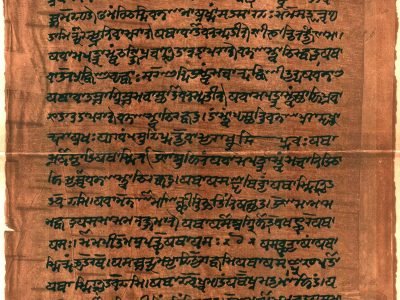

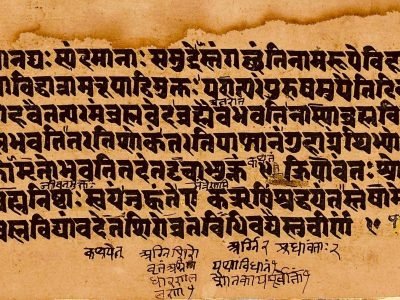

Atharvaveda
The Atharvaveda is one of the four foundational scriptures of the Vedic tradition and is a collection of hymns, prayers, rituals, and philosophical reflections composed in ancient Sanskrit. Distinct from the other Vedas for its broad focus on everyday life as well as spiritual concerns, it preserves material that has influenced Hindu religious practice, medicine, and philosophical thought for centuries.
Place among the Vedas
The Atharvaveda is traditionally recognized alongside the Rigveda, Samaveda, and Yajurveda as one of Hinduism's four Vedas. While the other Vedas emphasize sacrificial rituals and liturgical recitation, the Atharvaveda includes hymns for healing, protection, prosperity, domestic rites, royal ceremonies, and reflections on the nature of existence, giving it a distinctive place within the Vedic corpus.
Key themes
Its approximately 730 hymns (distributed across 20 books, though textual traditions vary slightly) cover an unusually wide range of subjects. Alongside prayers for health, longevity, and success are charms intended to ward off misfortune, speculative hymns exploring creation, time, and the self (ātman), and passages that anticipate ideas developed more fully in the Upanishads.
Historical significance
Scholars generally date the composition of the Atharvaveda over several centuries during the later Vedic period, with oral transmission preceding written manuscripts by many generations. It survives primarily in the Śaunaka and Paippalādarecensions, reflecting the remarkable continuity of Vedic oral preservation. The text remains important to historians of religion, linguists, and practitioners because it documents religious practices, social life, and philosophical developments in ancient India while continuing to hold a respected place within the Hindu scriptural tradition.
Quick Links
Information
Donation
Event
Holis
Pooja
Volunteer
Others
Blogs
About
Contact
FAQ
MahaAarti