
Sama-Veda

Samaveda
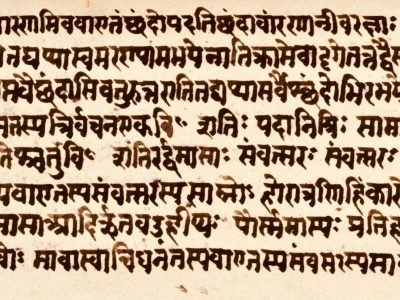
The Samaveda is one of the four foundational scriptures of the Vedic tradition and is primarily a collection of verses arranged for melodic chanting during religious rituals. Although much of its text is drawn from the Rigveda, its distinctive organization and musical notation made it central to the development of India's liturgical music and the tradition of Vedic recitation.
Content and structure
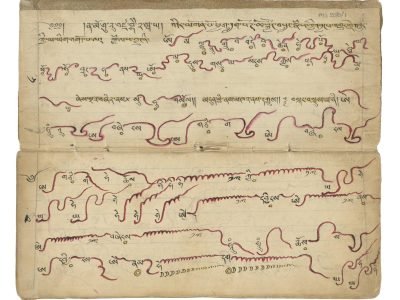
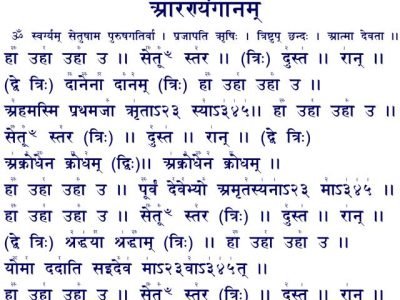
The Samaveda contains roughly 1,875 verses in its traditional recension, with the overwhelming majority borrowed from the Rigveda and only a small number unique to it. Its distinguishing feature is not new hymns but the way the verses are arranged and annotated for musical performance, especially in Soma sacrifice rituals. The text is traditionally divided into sections such as the Purvarchika and Uttararchika, which organize chants for different ceremonial purposes.
Musical and religious significance
The Samaveda is widely regarded as the foundation of the Sāman chanting tradition, in which Vedic hymns are sung rather than simply recited. Its sophisticated system of melodies profoundly influenced later Indian music, and many scholars see it as an important precursor to aspects of Indian classical music, even though that musical tradition evolved over many centuries. The preservation of these chants through rigorous oral transmission is considered one of the world's oldest continuously maintained musical traditions.
Legacy and influence
Within Hindu tradition, the Samaveda holds equal scriptural authority with the other three Vedas while serving a specialized liturgical role. It has been extensively studied by linguists, historians of religion, and musicologists because it preserves early evidence of ritual performance, ancient Sanskrit pronunciation, and the close relationship between sacred text and melody in Vedic culture.
Quick Links
Information
Donation
Event
Holis
Pooja
Volunteer
Others
Blogs
About
Contact
FAQ
MahaAarti